Topics
First-time buyers
Start here if you are buying your first home. These guides compare the main loan types, set out the minimum requirements for each, and explain how down payment assistance works.
-
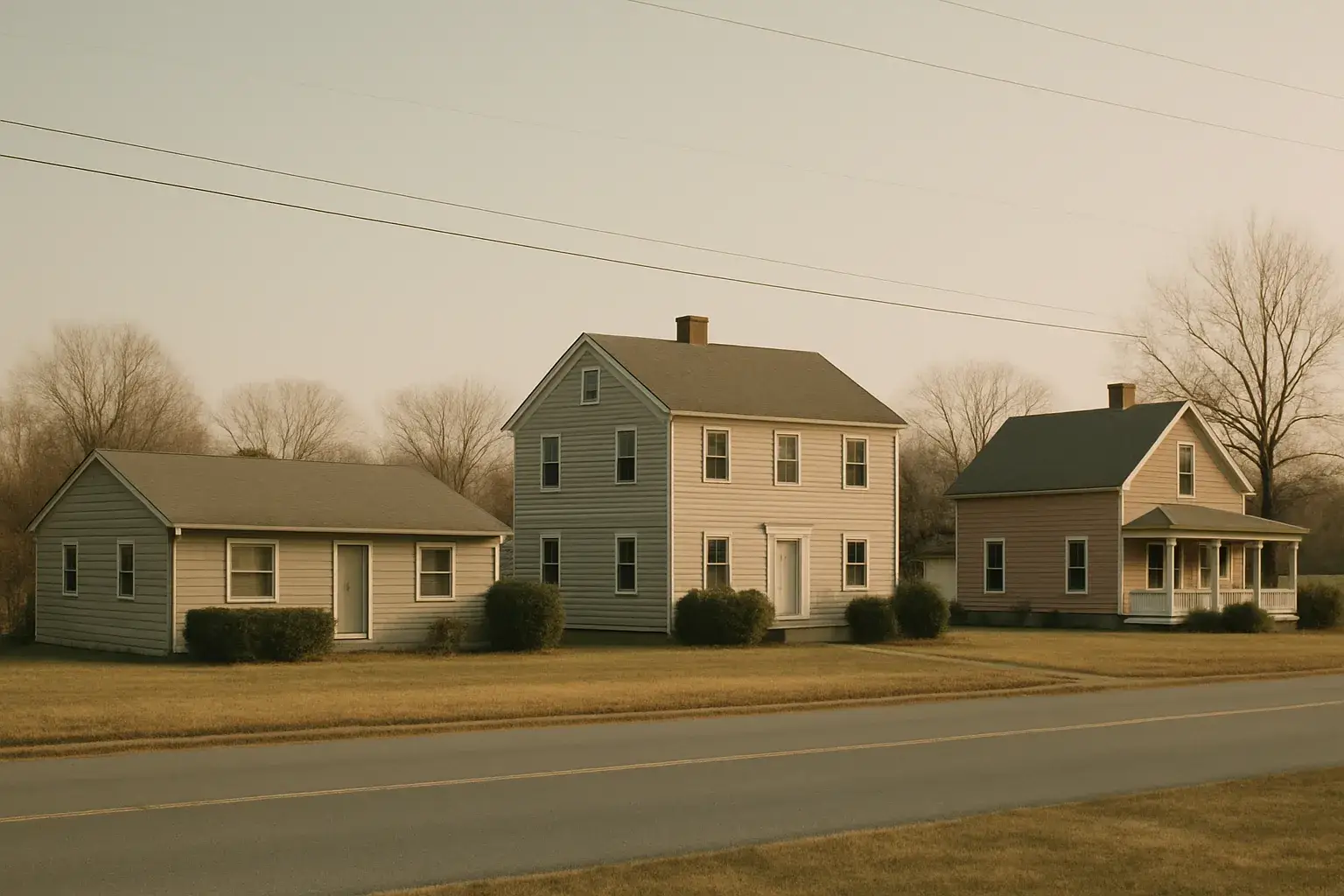
Types of Mortgage Loans Compared: Which Mortgage Is Right for You?
The main types of mortgage loans are conventional, FHA, VA, USDA, jumbo and non-QM loans. Each comes as a fixed-rate or adjustable-rate loan, usually over 15 or 30 years. The right one depends on your credit, down payment, income, military service, location and immigration status.
Updated October 18, 2026 · 9 min read
Read guide: Types of Mortgage Loans Compared: Which Mortgage Is Right for You? -
Mortgage Requirements by Loan Type: Credit, Down Payment and DTI in 2026
Requirements depend on the loan. FHA allows scores from 500 and 3.5% down at 580; VA and USDA allow zero down for eligible borrowers; conventional loans allow 3% down, with a 620 score for manual underwriting. Jumbo, non-QM and ITIN loans follow lender rules, usually with higher scores, larger down payments and more reserves.
Updated October 18, 2026 · 9 min read
Read guide: Mortgage Requirements by Loan Type: Credit, Down Payment and DTI in 2026 -
Down Payment Assistance Programs: How DPA Works in 2026
Down payment assistance programs give or lend home buyers money for the down payment or closing costs. Most are run by state and local housing finance agencies. The help comes as grants, forgivable or deferred second loans, matched savings or tax credits, and usually requires homebuyer education and income or price limits.
Updated October 18, 2026 · 9 min read
Read guide: Down Payment Assistance Programs: How DPA Works in 2026
Not sure which loan fits?
Compare every program on one page.
Common questions about this topic
Who counts as a first-time home buyer?
For many programs, anyone who has not owned a principal residence in the past three years counts as a first-time buyer, even if they owned a home earlier.
How much do I need to save to buy a house?
Plan for the down payment (0% to 3.5% on many programs), closing costs (often 2% to 5% of the price), and cash reserves. Down payment assistance can cover part of this.
Should I get pre-approved before house hunting?
Yes. A pre-approval shows sellers you can likely get financing and tells you a realistic price range. It is not a final loan approval.
Is a HUD-approved housing counselor worth it?
Many are free or low cost, and some down payment programs require a homebuyer education course. A counselor can help you compare offers and spot problems before you sign.